Winter in the Midwest can be tough on a home’s exterior. Between freeze-thaw cycles, moisture exposure, wind, and temperature swings, siding works hard year-round to protect your home.
As spring approaches, March is a smart time to evaluate whether your siding is still performing the way it should, or whether it may be time to consider replacement.
Here’s what you should look for as a homeowner.
- Fading or Significant Color Changes
Over time, siding naturally fades due to sun exposure and weather. While minor fading is cosmetic, significant or uneven fading can signal material breakdown.
When siding loses its protective outer layer, it may become more vulnerable to cracking, moisture intrusion, and warping. If your home’s exterior looks noticeably aged or dull compared to neighboring homes of similar age, it may be time to evaluate its condition.
- Visible Damage or Warping
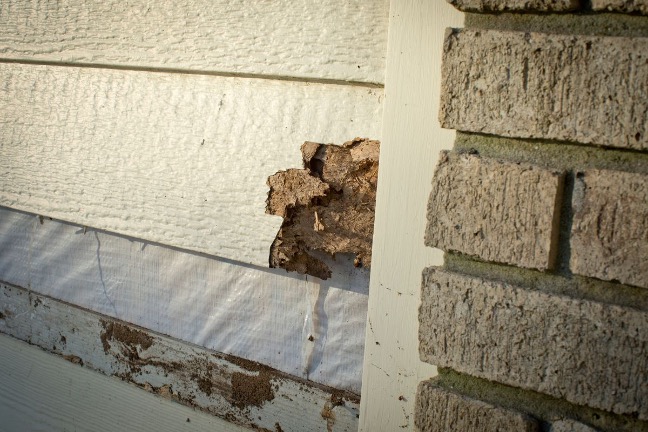
Midwest winters can cause expansion and contraction that stress siding materials. Signs to look for include:
- Cracks or splits
- Warping or buckling panels
- Loose or missing pieces
- Soft spots beneath the surface
Damage like this can allow moisture to enter behind the siding, potentially leading to larger structural concerns if left unaddressed.
- Siding Is 20+ Years Old
Age alone doesn’t always require replacement, but it is an important factor.
Depending on the material, siding installed 20–30 years ago may be nearing the end of its lifespan. Even if damage isn’t obvious, older siding may no longer offer the same level of protection or energy performance as modern materials.
If you’re unsure of your siding’s age, a professional inspection can help assess remaining lifespan.
- Increased Maintenance or Repairs
If you find yourself frequently repainting, patching, or replacing sections, it may be more cost-effective long term to consider replacement.
Modern siding products are designed for durability, lower maintenance, and improved resistance to moisture and temperature swings.
- Moisture or Interior Warning Signs
Sometimes siding issues show up inside the home first.
Watch for:
- Interior wall stains
- Peeling paint
- Mold or mildew odors
- Increased drafts
These can indicate moisture intrusion behind exterior materials.
When to Repair vs. Replace
Not every issue requires full replacement. In some cases, targeted repairs are sufficient. However, when damage is widespread, aging materials are present, or moisture concerns are ongoing, replacement may provide better long-term protection and value.
At Weathersafe, we evaluate siding with a practical mindset, focusing on structural protection first and aesthetics second. Our goal is to help homeowners understand their options clearly and make informed decisions.
A Smart Time to Inspect
March is a transition month. Before spring rains and summer humidity arrive, it’s wise to assess your home’s exterior condition.
If winter has taken a toll on your siding, a professional evaluation can help determine the right next steps, whether that’s minor repair or a full replacement plan.